



Buying guide
An unmanned ice cream machine is a procurement decision as much as a menu decision. Operators need to think about location, customer flow, payment setup, cleaning routines, remote monitoring, and the labor cost they are trying to reduce. Smartool’s unmanned ice cream machine collection helps commercial buyers compare automated vending, mobile placement, and semi-automatic service formats for cafes, malls, scenic spots, dessert shops, food trucks, and other high-traffic venues.
Choose the Right Sales Model
| Choose This Path | Better Fit When | Smartool Example |
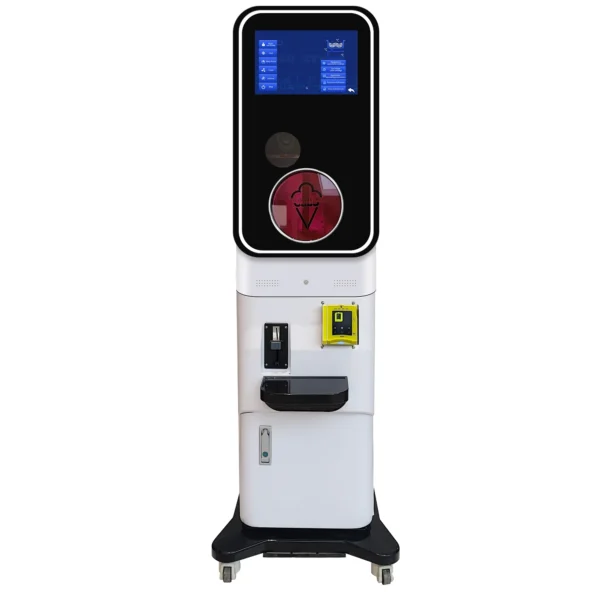
| Fully unmanned vending | You need self-service sales with touch screen ordering, built-in payment options, and hygiene controls | Smartool BA18-100C3 Fully Automatic Intelligent Unmanned Ice Cream Vending Machine |
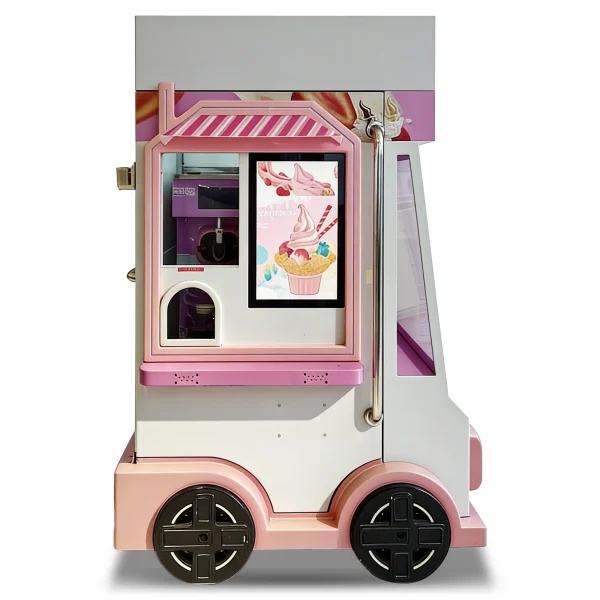
| Mobile automated soft serve | You want flexible placement, remote management, and easier relocation between traffic points | Smartool Smart Ice Cream Vending Machine Truck |
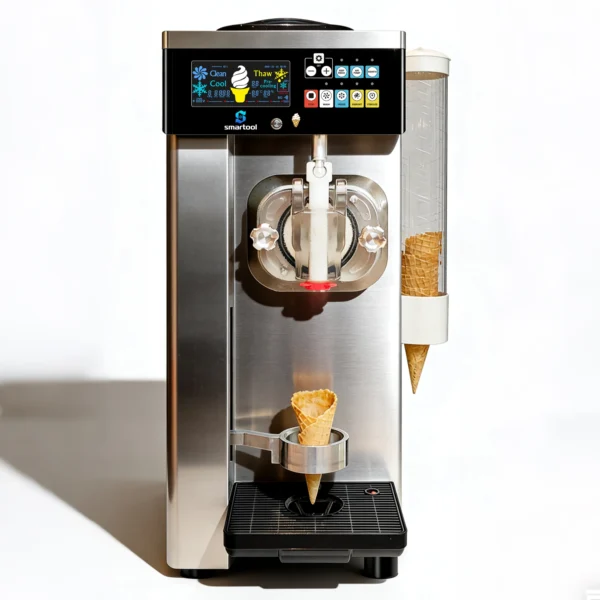
| Semi-automatic counter service | You still use staff, but need higher output, automatic recognition, and reduced cleaning labor | Smartool SW26-BA Semi-Automatic Ice Cream Machine |
Match the Ice Cream Vending Machine to Venue Traffic
The right ice cream vending machine depends on how customers move through the location. A mall corridor, amusement park, hotel lobby, or tourist area needs simple ordering, visible product appeal, and reliable payment flow. A staffed dessert shop may need automation that supports employees instead of replacing them.
For unattended service, the BA18-100C3 is the most direct fit in this collection. It supports a 12-inch touch screen, multiple payment methods, a 12L hopper, and output up to 100 cups per day. Those details make it easier to evaluate for operators planning self-service frozen dessert sales in controlled indoor locations.
Before you sign a location, turn foot traffic into a cups-per-day estimate and test it against two kinds of cost: per-cup costs such as mix, cups, location commission, and card fees, and fixed monthly costs such as electricity, connectivity, cleaning and restocking labor, insurance, and a maintenance reserve. Daily cup volume decides profit more than any other input, and it is capped by rated output, so a plan that needs more than 100 cups a day from one BA18-100C3 needs a second machine, not a better spot. Our worksheet on ice cream vending machine profit margins shows how contribution per cup, break-even volume, and payback move with location terms.
Remote Management Matters for Automated Soft Serve
When a machine is placed away from the main counter, remote visibility becomes part of the operating plan. Buyers should compare whether they need sales monitoring, inventory awareness, machine status checks, or alerts that reduce unnecessary site visits. These controls can matter more than adding another flavor if the business model depends on unattended or distributed placement.
The Smartool Smart Ice Cream Vending Machine Truck fits operators who need mobility and remote IoT control. It is designed for fully automated operation, card, mobile pay, and QR code compatibility, plus AC110-120V/60Hz power. Its relocation-friendly format makes sense when foot traffic changes by season, event, or venue schedule.
Remote alerts cut wasted trips, but they do not remove the visit. Someone still refills mix and cups, empties waste, wipes the dispensing area, runs the cleaning cycle, and logs it, so count visits per week and time per visit, including travel. When an alert does arrive, operators can handle first-level checks such as mix level, power, and door seals, while refrigerant, compressor, and electrical faults belong with a qualified technician. Our soft serve troubleshooting guide separates those operator checks from technician work.
Semi-Automatic Ice Cream Machines Still Solve Labor Problems
Not every buyer needs a fully unmanned setup. A cafe, dessert shop, or food truck may get better value from semi-automatic dispensing when staff remain part of service. In that case, output, cleaning frequency, portion control, and startup routines are more important than kiosk-style customer interaction.
The SW26-BA is built around that middle ground. Key details include 20-26L/H production, a 10L stainless steel hopper, Embraco compressor, adjustable dispensing volume, cup type automatic recognition, and automatic sterilization. The 14-day clean-free function is especially relevant for teams trying to reduce daily closing labor. Confirm that interval with your local health department before you build a cleaning schedule around it.
Designs that stretch the time between full teardowns, such as heat-treatment machines, reduce nightly labor but depend on correct mix levels, stable power, and a cycle that has to finish before opening. Our look at what goes wrong with McDonald’s ice cream machines shows how a failed cycle or an unreadable error code turns into lost sales. If staff stay on site, the cost model changes too: their wages move into fixed monthly costs, which our guide to soft serve machine cost and payback walks through with a payback example.
Check Hygiene, Payment, and Maintenance Before Purchase
B2B buyers should look beyond the headline automation claim. Hygiene systems, accepted payment methods, power requirements, refrigerant compatibility, warranty terms, and routine maintenance all affect the real operating cost. These details also influence where the equipment can be placed and who can manage it each day.
Before comparing quotes, prepare a short operating brief:
- Expected daily cups or peak-period demand
- Indoor, mobile, or semi-staffed placement
- Payment methods required by your customers
- Cleaning, sterilization, and refill responsibilities
- Remote monitoring needs for managers or owners
That brief helps procurement teams avoid buying a machine that looks automated but still creates avoidable labor, service, or placement friction.
Cost per cup starts with the mix. Overrun, the air whipped into the product as it freezes, decides how many servings each unit of mix yields; soft serve typically runs at 40–70%, and too much air hurts texture and repeat purchases. Liquid mix waiting in the hopper falls under the cold-holding rule of 41 °F (5 °C) or below, so refill timing matters as much as the recipe. Our guide to soft serve mix types compares powder, liquid, and self-made mix on cost, storage, and consistency.
Permits can take longer than delivery. Food safety rules are set locally, and because a machine that freezes mix and dispenses soft serve into a cup does not fit the packaged-food vending model neatly, many health departments review these units individually. Bring the spec sheet, cleaning procedure, and sanitation features to that conversation, and see our overview of commercial kitchen equipment certification requirements for how electrical safety and sanitation listings differ.
Compare Smartool Unmanned Ice Cream Machine Options
Start by matching the equipment to your revenue model, not just the product name. Review each Smartool unmanned ice cream machine option by placement, output, payment needs, hygiene workflow, and whether your team needs fully unattended service or staff-assisted automation.
The same core specs apply to every soft serve unit, staffed or not: rated output against your busiest period, hopper volume, electrical rating, cooling and airflow, and cleaning design. Our commercial soft serve machine buying guide explains each one with sizing formulas.
Operator Guides for Automated Soft Serve
These guides cover the questions operators raise once the sales model is set:
- Choose: what to check in warranty and service terms for commercial equipment, from labor coverage to response and resolution times
- Compare: ice cream machine formats and sizing, from soft serve and batch freezers to semi-automatic and self-service units
- Compare: gravity vs pump soft serve machines, and how overrun changes mix cost per serving
FAQ
What Is the Main Difference Between an Unmanned Ice Cream Machine and a Regular Soft Serve Machine?
An unmanned ice cream machine is designed around self-service, automated dispensing, payment handling, and reduced staff involvement. A regular commercial soft serve machine may still require an employee to take payment, control portions, clean the machine, and manage service flow.
Where Does an Ice Cream Vending Machine Usually Make Sense?
It usually makes sense in locations with steady foot traffic and enough dwell time for impulse dessert purchases. Shopping malls, scenic spots, amusement parks, hotel areas, campuses, and entertainment venues are stronger fits than low-traffic corners or places without clear customer access.
Should I Choose Fully Unmanned or Semi-Automatic Ice Cream Equipment?
Choose fully unmanned equipment when labor reduction, self-service payment, and remote operation are the core business case. Choose semi-automatic equipment when staff are still present, but you want faster output, controlled portions, easier cleaning, and more consistent service.
How Often Does an Unmanned Ice Cream Machine Need Cleaning?
Plan on the interval your local health authority requires, which for most soft serve equipment means a full clean and sanitize at the end of each day’s operation. Longer intervals on heat-treatment or clean-free designs apply only when your inspector accepts them. Our daily-to-annual soft serve maintenance schedule lays out the daily, weekly, monthly, and annual tasks.