




Blog
A pina colada slush machine recipe by the gallon: rum and virgin formulas, a 1–4 gal scaling table, Brix checks and coconut cream fixes.
A good pina colada slush machine recipe is a batch formula measured by volume: pineapple juice, sweetened cream of coconut, water and a little lime, with white rum added at about 1 part to 6 parts base for the alcoholic version. Per gallon, that works out to 18 fl oz of 80-proof rum, 56 fl oz pineapple juice, 20 fl oz cream of coconut, 30 fl oz water and 4 fl oz lime juice, which lands near 5.6% alcohol by volume. The virgin version drops the rum and leans harder on pineapple and coconut. Below are both formulas, a scaling table for 1- to 4-gallon bowls, the sugar check, and how to handle coconut fat in the tank and at cleanup.
Part of our commercial slush machine buying guide series.
What makes a piña colada harder to run than other slush drinks
Most slush recipes are sugar, water and flavor. A piña colada adds two things a slush machine has to work around:
- Fat. Cream of coconut carries coconut fat along with its sugar. The fat does not dissolve in the batch, so it can rise, coat the bowl wall and firm up as the mix chills, leaving a film to clean off later.
- Acid and pulp. Pineapple juice is tart and, if fresh-pressed or crushed, full of fiber that can catch around the auger and valve.
The recipes below handle both: they keep the cream of coconut to a modest share of the batch, call for strained juice, and use a small amount of lime to keep the flavor bright after freezing. If you are newer to frozen drinks, our walkthrough on how to use a slush machine covers fill levels, freeze-down and dispensing before you try a cream-based batch.
Alcoholic piña colada recipe for a slush machine (per gallon)
This is the house formula. All amounts are US fluid ounces by volume and add up to exactly one gallon (128 fl oz), so you can scale it by multiplying.
| Ingredient | Per gallon | Share of batch |
|---|---|---|
| White rum, 80 proof (40% ABV) | 18 fl oz | 14% |
| Pineapple juice, 100% juice, strained | 56 fl oz | 44% |
| Cream of coconut (sweetened) | 20 fl oz | 16% |
| Cold water | 30 fl oz | 23% |
| Fresh lime juice, strained | 4 fl oz | 3% |
| Total | 128 fl oz | 100% |
Method:
- Warm the cream of coconut can or jug in a bowl of warm water if it has separated, then whisk it smooth.
- In a clean batch container, whisk the cream of coconut into about a third of the pineapple juice until no streaks remain. Adding the fat to a small amount of liquid first keeps it from clumping.
- Add the rest of the pineapple juice, the water and the lime juice. Stir, then check the sugar level (next section) before any rum goes in.
- Add the rum, stir again and chill the batch in the walk-in before it goes into the bowl. A cold batch freezes down faster and more evenly.
Why the rum stays at 1 part to 6
Alcohol lowers the freezing point of water. Engineering ToolBox’s freezing point table for ethanol-water mixtures lists pure water at 32 °F, a 10% ethanol mix at about 25 °F (-4 °C) and a 20% mix at about 15 °F (-9 °C). Dissolved sugar pushes the freezing point down further. A piña colada already carries a lot of sugar from the juice and the cream of coconut, so this recipe keeps the spirit lower than a typical frozen margarita.
The math: 18 fl oz of 40% rum contains 7.2 fl oz of pure alcohol. Divided by 128 fl oz, that is 5.6% ABV, a little over half of the 10% row in the table above. Our margarita machine recipe runs nearer 8% because a lime base carries less sugar. If your guests expect a stronger drink, add a float at the cup rather than more rum in the bowl (see serving, below).
To count drinks, the NIAAA defines a US standard drink as 0.6 fl oz of pure alcohol. At 5.6% ABV, a 12 oz cup holds about 0.68 fl oz of alcohol (about 1.1 standard drinks) and a 16 oz cup holds about 0.9 fl oz (about 1.5). Print those numbers on your recipe card so servers can answer guests accurately.
Virgin piña colada slush recipe (per gallon)
Without rum, the batch freezes more readily, so the formula can carry more juice and coconut for a fuller flavor:
| Ingredient | Per gallon |
|---|---|
| Pineapple juice, 100% juice, strained | 64 fl oz |
| Cream of coconut (sweetened) | 24 fl oz |
| Cold water | 36 fl oz |
| Fresh lime juice, strained | 4 fl oz |
| Total | 128 fl oz |
Mix it the same way: cream of coconut into part of the juice first, then the rest. If you run both versions side by side, put them in separate tanks, label each tank and each cup, and keep the virgin tank on the side of the machine that staff reach for first. For a lighter alcohol-free option with no coconut fat at all, the pineapple-coconut cooler in our slushie machine recipes uses coconut water instead of cream.
Hit the sugar target before the batch goes in
Sugar decides whether a slush sets soft and scoopable, stays liquid or freezes onto the auger. Our slushie machine mix guide explains the Brix range most slush bases should land in and how to read a refractometer. For a piña colada, a few points matter:
- Read the base before the rum. Alcohol changes how a refractometer reads, so take the Brix of the non-alcoholic part and record it. For the alcoholic batch, aim for the lower half of the slush range; the rum is already doing part of the work that sugar does.
- Know where the sugar comes from. The FDA’s juice labeling rule, 21 CFR 101.30, uses 12.8 Brix as the reference for single-strength pineapple juice. At the volumes above, pineapple alone puts the base somewhere around 6–7 Brix. Cream of coconut supplies most of the rest, and its sugar content varies widely by brand.
- Adjust with water or syrup, not more coconut. If the base reads high, add cold water a quart at a time. If it reads low, add 1:1 simple syrup in small steps. Adding cream of coconut to fix sweetness also adds fat.
- Expect a fuzzy reading. Coconut fat clouds the sample. Let the drop sit a few seconds, and read the line where the light and dark fields meet.
Write the reading, date and time on the batch label. When a batch sets well, that number becomes your house target, and every later batch gets mixed to it.
Scaling the batch to your machine bowl
Multiply the per-gallon formula by the batch you want. Fill only to the maximum line in your machine’s manual, and leave room for the slush to expand slightly and move around the auger.
| Batch (alcoholic) | White rum | Pineapple juice | Cream of coconut | Water | Lime juice | 12 oz cups | 16 oz cups |
|---|---|---|---|---|---|---|---|
| 1 gal (3.8 L) test | 18 fl oz | 56 fl oz | 20 fl oz | 30 fl oz | 4 fl oz | 10 | 8 |
| 2 gal (7.6 L) | 36 fl oz | 112 fl oz | 40 fl oz | 60 fl oz | 8 fl oz | 21 | 16 |
| 3 gal (11.4 L) | 54 fl oz | 168 fl oz | 60 fl oz | 90 fl oz | 12 fl oz | 32 | 24 |
| 4 gal (15.1 L) | 72 fl oz | 224 fl oz | 80 fl oz | 120 fl oz | 16 fl oz | 42 | 32 |
Cup counts are the batch divided by cup size, rounded down, before spillage and the slush left in the bowl at the end of service. For the virgin version, multiply its per-gallon formula the same way. For ordering, a 3-gallon batch uses 54 fl oz of rum, a little over two 750 mL bottles; a 4-gallon batch uses 72 fl oz, just under three.
For reference, Smartool’s single-tank RLC18-1 and each tank of the three-tank RL18-3 hold 16.5 L according to their product pages, so the 4-gallon row fits with headroom. Both pages describe the machines as suitable for alcohol-based drinks: the RL18-3 page reads “Safe for making frozen margaritas, cocktails, and other alcohol-based drinks.” Neither page mentions cream-based mixes, so confirm the alcohol ratio and the use of cream of coconut with your sales rep before you run this recipe. On the RL18-3, independent temperature control per tank lets you run the alcoholic and virgin versions side by side with a third flavor.
Handling coconut cream in the tank
Separation is the most common complaint with a piña colada batch. These habits keep it under control:
- Emulsify first. Blend or whisk the cream of coconut with part of the juice until smooth, as in the method above. An immersion blender is the fastest way to do it in a batch container.
- Stir the batch container before every pour. If you mix ahead, the fat will rise in the walk-in. Stir from the bottom before it goes into the bowl.
- Keep the auger running. Do not leave a coconut batch sitting with the motor off; the fat settles against the cold bowl wall.
- Watch the cream share. If you see a waxy ring on the bowl or grainy texture in the cup, cut the cream of coconut by a few ounces per gallon and make up the volume with pineapple juice.

Pineapple acidity, pulp and fresh fruit
Pineapple brings both the sugar and the sharpness that make the drink taste like a piña colada rather than a coconut shake. Two things to watch:
- Use strained juice. Crushed pineapple and unstrained fresh juice carry fiber that catches at the valve and around the auger. If you press fresh pineapple, strain it through a fine sieve before measuring.
- Taste after freezing, not before. Cold dulls sweetness and acid, so a base that tastes slightly too bright at room temperature usually tastes balanced from the machine. The lime stays at 4 fl oz per gallon: enough to lift the coconut without turning the drink sour.
Fresh ingredients or a commercial piña colada mix?
| House recipe (juice + cream of coconut) | Bottled piña colada mix | |
|---|---|---|
| Flavor control | Full: you set the pineapple, coconut and lime balance | Fixed by the supplier |
| Prep time | Mixing, straining and a Brix check each batch | Dilute per label, then check Brix |
| Consistency between shifts | Depends on recording the Brix target | High, if staff follow the dilution directions |
| What to check first | Brand of cream of coconut, since sugar and fat vary | That the label gives directions for frozen drink machines |
Mixes made for shaken or blended cocktails are often too concentrated to freeze in a machine as poured. Use one with frozen-drink-machine directions, or dilute and measure until the base reads in range.
Working out cost per serving
Ingredient prices vary too much by region and supplier for a single number to be useful, but the method is the same for every bar:
- Price each ingredient per fluid ounce from your invoices (bottle or case price divided by fluid ounces).
- Multiply by the ounces in your batch row from the scaling table and add the lines together.
- Divide by the number of cups you actually sold from a batch, not the theoretical count. Track that number for a week.
- Add the cup, lid, straw and garnish cost per drink.
The rum and the cream of coconut are usually the two biggest lines, so that is where a recipe change moves cost the most. The virgin version removes the rum line entirely.
Serving and garnish
- Glass: hurricane or tall poco grande glasses for bar service; clear 12 or 16 oz cups with dome lids for counters and events.
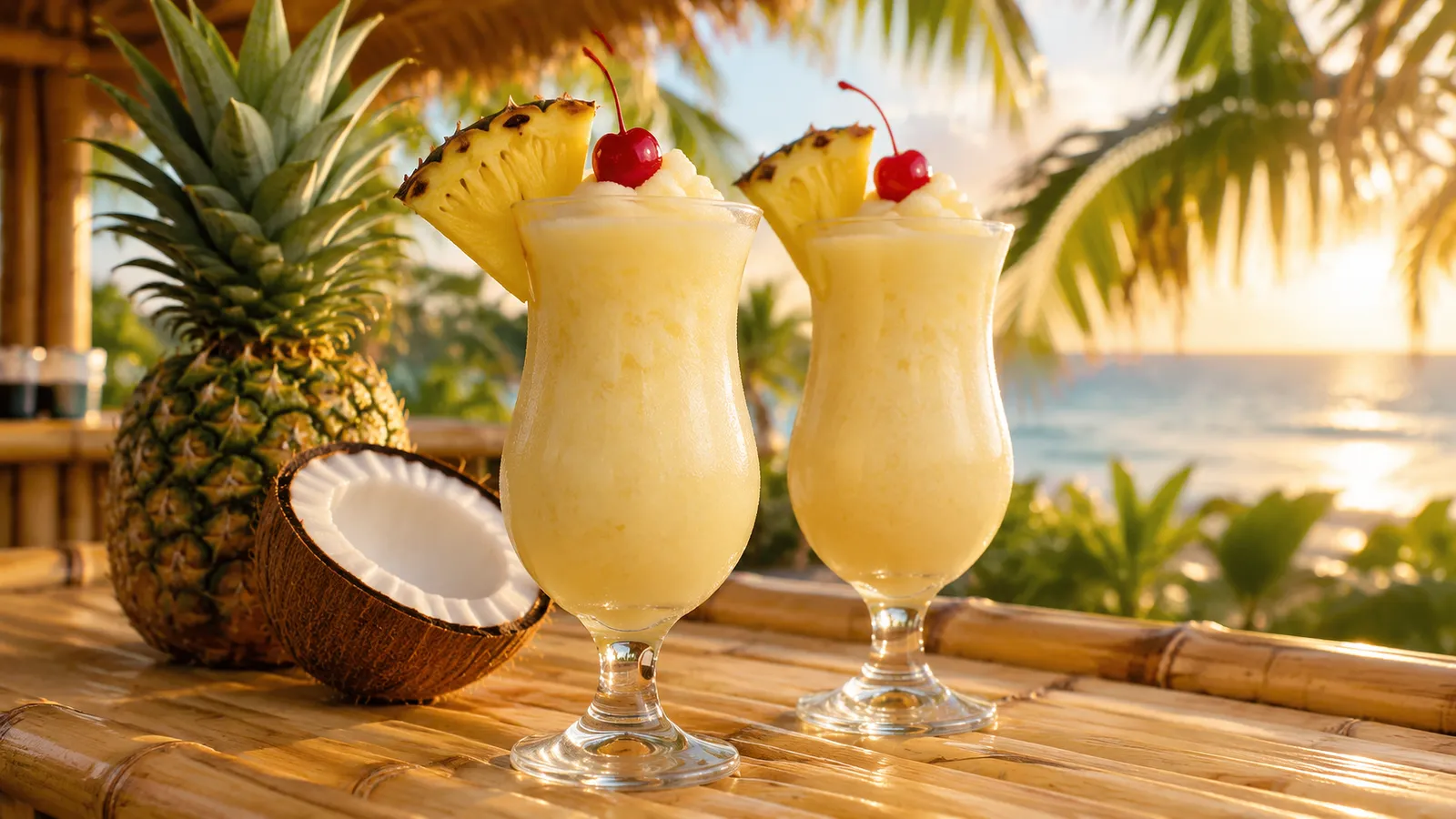
- Garnish: a pineapple wedge and a cherry are the classic pair. A toasted coconut rim or a pinch of grated nutmeg works as a premium upgrade.
- Float: a 0.5 fl oz float of 80-proof dark rum adds 0.2 fl oz of alcohol. On a 12 oz cup, that brings the total to about 0.88 fl oz, or roughly 1.5 standard drinks. Price and count it as a separate add-on.
- Labeling: mark the virgin and alcoholic tanks and cups differently, and check ID at the point of sale for the alcoholic version.
Cleaning after a coconut batch
Coconut fat leaves a film that a quick water rinse will not remove. Drain the bowl, rinse with warm water to loosen the fat, then wash the bowl, auger, seals and valve with detergent before sanitizing. Pay attention to the dispensing valve and the auger seal, where fat and pineapple pulp collect. Our step-by-step guide on how to clean a slush machine covers disassembly, sanitizer contact time and reassembly. Follow your machine manual and local health code for how long a cream-based batch can stay in the bowl.
Piña colada slush machine FAQs
Can you put piña colada mix in a slushie machine?
Yes, if the mix is made for frozen drink machines or you dilute it until the base reads in the normal slush Brix range. Check that your machine maker approves cream-based mixes, stir the batch before filling, and clean the bowl thoroughly afterward to remove coconut fat.
How much rum goes in a piña colada slush machine batch?
Start with 18 fl oz of 80-proof white rum per gallon, about 1 part rum to 6 parts base. That keeps the batch near 5.6% ABV. A stronger batch freezes more slowly and may not set, so add strength at the cup with a float instead.
Why is my frozen piña colada separating in the machine?
Usually the cream of coconut was not fully blended into the juice, the batch sat in the walk-in without stirring, or the share of cream is too high for your machine. Blend it into part of the juice first, stir before filling and reduce the cream by a few ounces per gallon if a waxy ring forms.
Planning a tropical frozen drink menu? Compare tank counts and capacities across our commercial slushy machine range, then send us your busiest-hour drink count and the drinks you plan to run to request a factory-direct quote.
Factory-direct from Smartool
Planning a commercial equipment purchase?
Share your site conditions, daily output and budget. Our team will match a model, send the spec sheets and quote factory-direct pricing.

Written by
Senior Engineer, Smartool
Jason is a senior engineer at Smartool. He works on the commercial ice machines, soft serve and slushy machines, and refrigerated prep tables Smartool builds for restaurants, bars, hotels and dessert shops. His guides look at equipment from the engineering side: how to size a machine for a site, what it needs for power, water and airflow, and how to keep it running through busy service. He also helps buyers match the right model to their kitchen before they request a quote.
.elementor-76528 .elementor-element.elementor-element-5c7a0d0{--display:flex;--flex-direction:column;--container-widget-width:100%;--container-widget-height:initial;--container-widget-flex-grow:0;--container-widget-align-self:initial;--flex-wrap-mobile:wrap;}.elementor-76528 .elementor-element.elementor-element-5c7a0d1 .elementor-toc__header-title{text-align:start;}.elementor-76528 .elementor-element.elementor-element-5c7a0d1 .elementor-toc__header{flex-direction:row;}.elementor-76528 .elementor-element.elementor-element-5c7a0d1{--item-text-hover-decoration:underline;}
On this page
Need pricing for your project?
Get a factory-direct quote on commercial ice makers, soft serve and slushy machines, and refrigerated prep tables.
✓ Model matching and spec sheets for your site
✓ US office in City of Industry, CA
✓ Talk to an expert: +1 (872) 221-0051
Browse by topic
Ice Machine Guides
Soft Serve & Ice Cream
Slushy & Frozen Drinks
Buying & Sourcing
Compliance & Maintenance
Related posts

Piña Colada Slush Machine Recipe (Alcoholic and Virgin)
A pina colada slush machine recipe by the gallon: rum and virgin formulas, a 1–4 gal scaling table, Brix checks and coconut cream fixes.

Ice Cream Vending Machine vs Soft Serve Machine: Which Fits?
Compare a self service ice cream vending machine with semi-automatic and staffed soft serve machines: labor, space, throughput, cleaning, power and cost logic.