The peak season for the restaurant business comes during the summer season in New York, and it also represents the most challenging condition for equipment. This is because the equipment has to perform under conditions of prolonged usage and high temperatures, making it a necessity for it to work properly and efficiently, especially ice-making equipment.
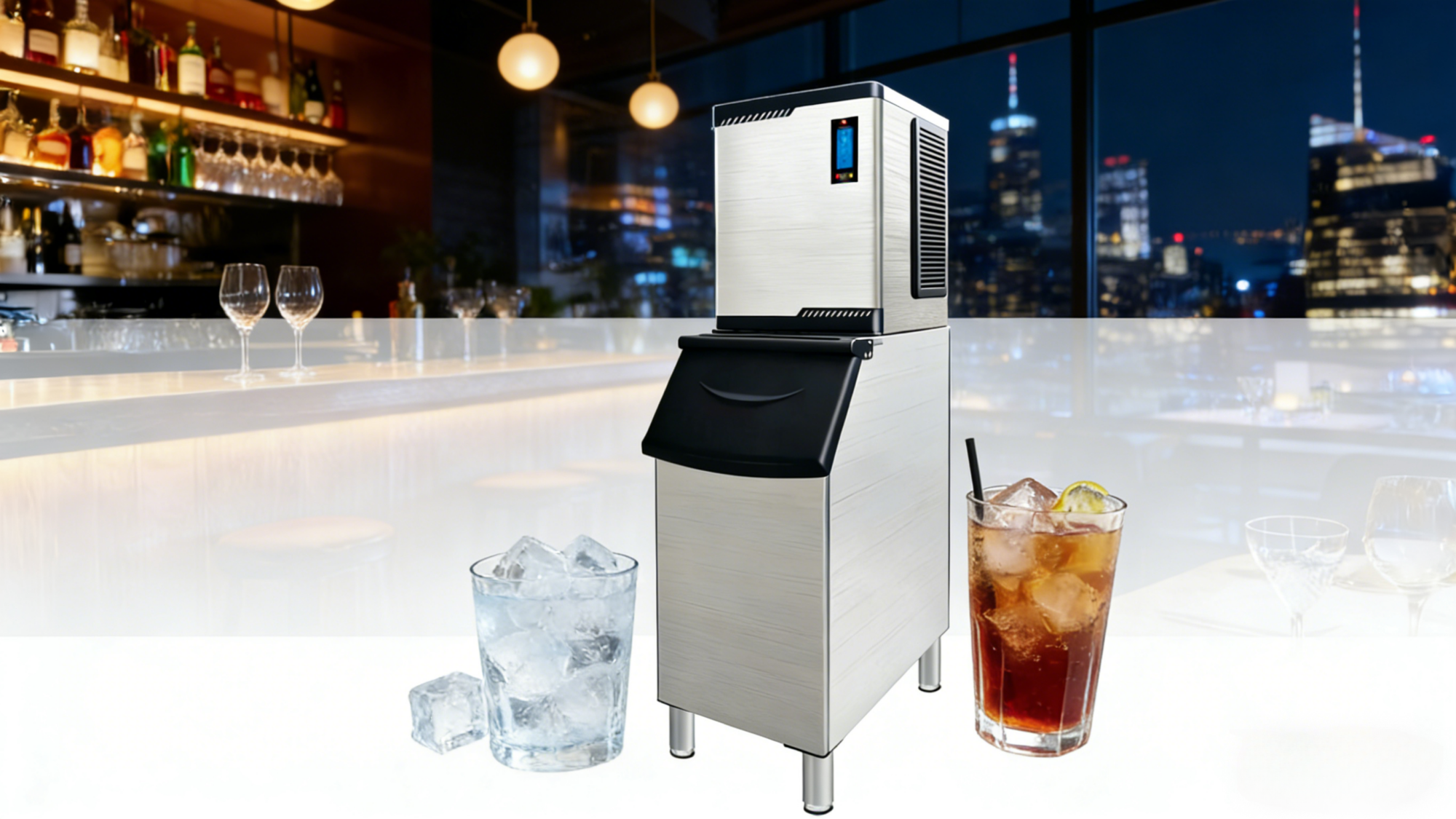
A mid-scale restaurant located at a prime location in New York City started operating its Smartool BF500 ice machine during this year’s peak season to support its heavy duty operations.
1. Peak Operation Data: Average Daily Production of 500kg of Ice, 30 Days Without Failure
The ice maker, BF500, functioned well throughout the 30-day peak period.
The restaurant operates for over 14 hours a day. There is intense demand for ice during the hours of peak. The average amount of ice produced per day, according to the records of the restaurant, was about 500 kg. There were no downtime, alarms, or deterioration in performance for the entire operational period.
Despite the fact that it was at the peak weekend time when customer volumes are high and the demand for ice is at its greatest, the rate at which ice was produced was constant and there were no issues regarding ice shortages.
2. Practical application scenario at an actual restaurant: Frequent production of ice, but not frequent intervention needed
The products that can be found in this kind of restaurant include cold drinks, cocktails, and seafood meals, which require a lot of ice, stability, and cleanliness.
In practical use, the ice maker machine, model name BF500, worked effectively in the background without requiring constant observation and intervention from the staff. From the feedback received from the bar and kitchen staff, the ice produced in the ice maker was convenient and easily accessible.
For restaurants, the primary worry during peak periods is not equipment efficiency but rather unforeseen equipment failure. When the ice-making machine goes down, it thus requires that ice be sourced from outside, thus incurring additional costs that influence food quality.
3. Customer Feedback: The Value of UninterruptedBusiness Operation in Busy Periods
After a month of constant usage during the peak season, the following comments were received from the restaurant manager:
“During peak time, we are always busy every day, and we don’t have time to think about the problems that may arise from appliance breakage. This ice maker has been running almost uninterruptedly since it was put in, and it has been quite stable and has not caused me any problems.”
According to him, it is not regular care that is most appreciated about commercial equipment, but reliability during busy hours.
In Conclusion
In this Case Study, we are presented with neither a “complex scenario,” nor with “exaggerated data”; merely a “true account of Peak Season operation.” In cases of intense use, stability may be a greater concern for an ice maker than specifications. A restaurant owner can avoid many issues with proper selection of a model to use during peak periods.