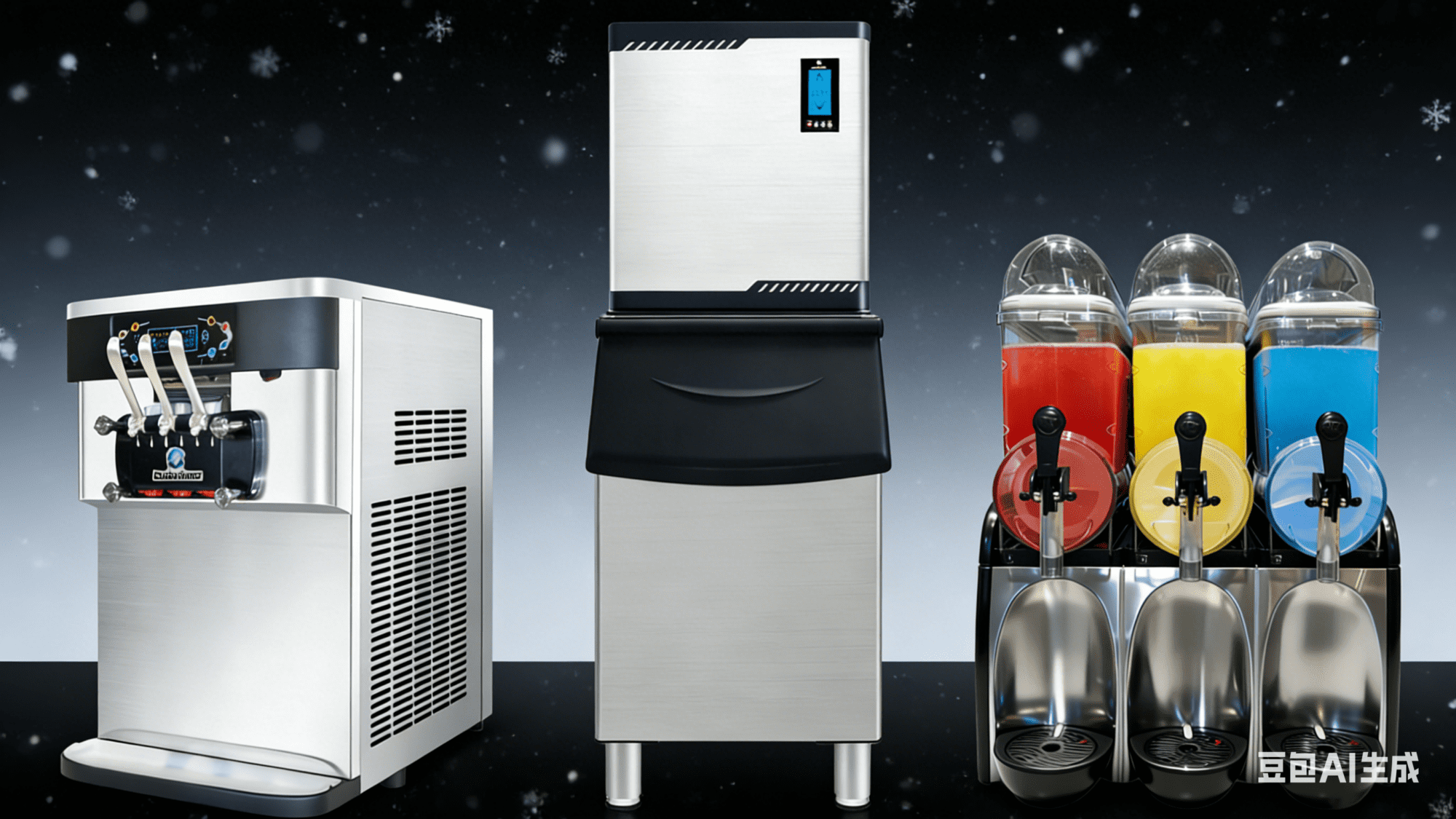
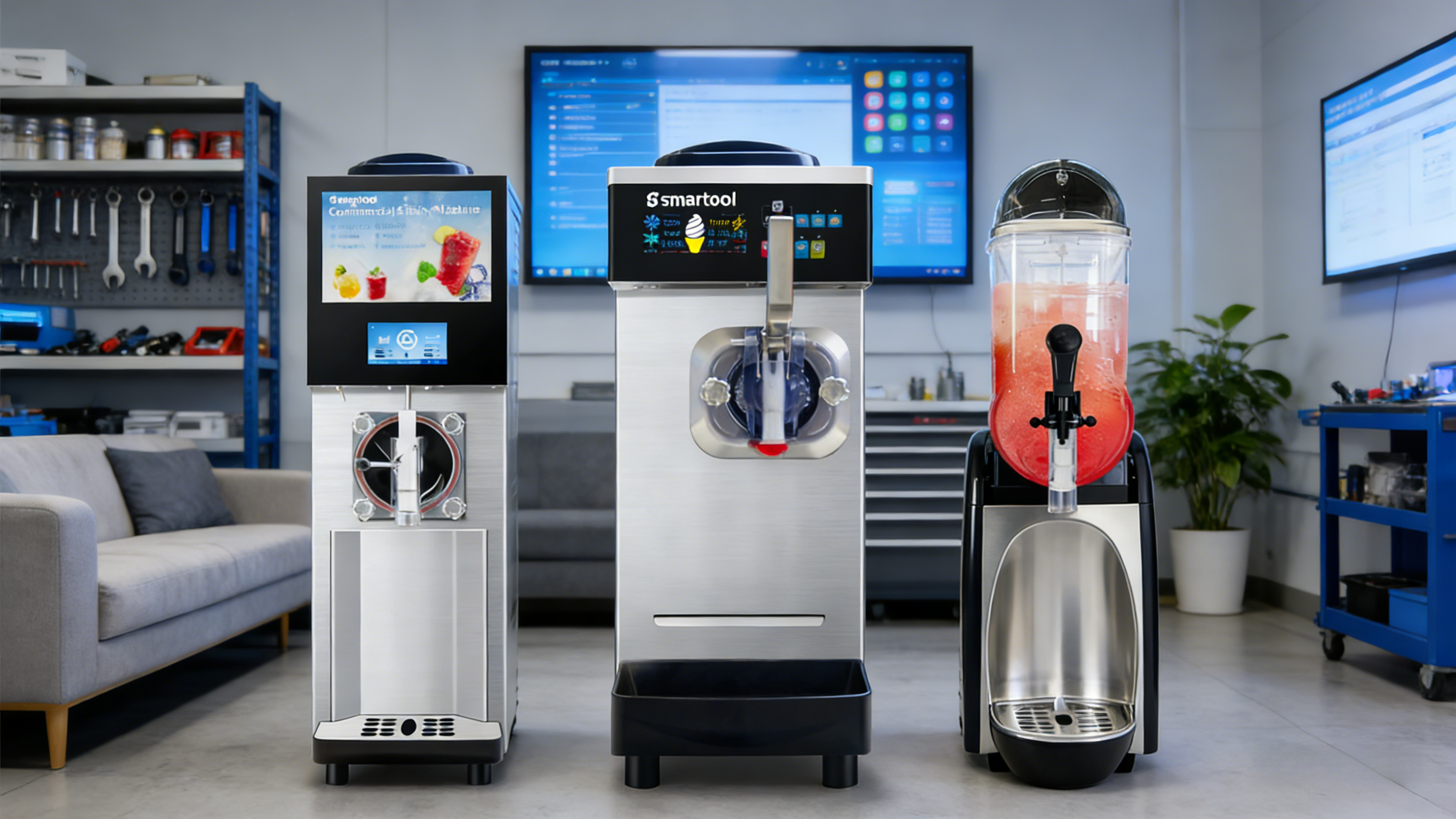
During peak seasons, the refrigerators used in the commercial environment may be working under more stressful conditions than the rest of the year. This is mainly due to the continuous operation of the refrigerators and frequent door openings. During these periods, any pre-existing issues are more likely to become apparent.
With years of experience serving restaurants, convenience stores, and chain accounts, Smartool has observed that the major breakdowns which take place during the peak season are not always sudden failures. In many situations, the issues experienced are already present, yet ignored in the midst of hectic daily activity. The answer lies not in repairing after the breakdown of the unit, but in proactive maintenance.
From Smartool’s hands-on project experience, the following five maintenance activities have been found to be the most effective and efficient during peak seasons:
1. Complete Cleaning Begins With the Fundamentals
This would be considered one of the easiest tasks, but this makes it easily overlooked. Dust accumulation and grease on condensers, heat sinks, and around air intakes or exhausts could substantially lower cooling performance when it’s most needed, which would be during peak periods.
This is because, when there is improper release of heat, it forces the compressor to work for an extended time in order to reach and maintain the desired temperature. At first glance, it may appear to be cooling normally, but the system is under stress and therefore shortening its lifetime. In field service repair operations at Smartool, it has been established that some compressors fail due to inadequate cleaning.
2. Examining Core Elements and Catching Problems Early
Routine checks do not require elaborate equipment, although regular checking is a necessity. Unusual sound patterns during operation, an asymmetrical rotation of the fan, oil droplets on the joints, and leakage patterns of the refrigerant might be the earliest warning signs rather than the performance pattern.
In many instances, customers have come to realize that the unusual sounds or temperatures were evident long before the problem occurred. These are the most important times when attention is being devoted to the business, and they are the easiest times to ignore.
3. Calibrate Operating Parameters to Avoid “Hidden” Problems
It is not necessary that because the equipment is operational, its performance is optimal. Before the peak summer or winter season sets in, differences in the reading and actual values of the thermostat or an increase in restarts should be examined.
Such problems may not lead to a catastrophic condition, yet they will unnoticeably raise energy expenditure and mechanical stress. The continuity of equipment operation during a situation of peak demand could lead to minute variations in parameters resulting in stability problems. Smartool would normally advise parameter checks before entering into peak periods.
4. Adjust Usage Patterns as Peak Loads Increase
Sometimes, the largest difference that exists during peak periods is not the equipment at all, but the manner in which the equipment is operated. Increased product loading, door openings, and blocking ventilation space are normal during peak periods, but these increase the workload of the refrigeration equipment.
Looking at many of the service cases involving Smartool, it is apparent that while the equipment specs were sufficient, the changing operating practices rendered the original usage model inappropriate. It is equally important to modify operating patterns when demand is high.
5. Schedule Professional Maintenance to Maintain a Safety Margin
For basic cleaning and checkups, it is possible to rely on in-house personnel, but prior to peak season, it is nonetheless important to go through a process of professional maintenance. A check of electrical and refrigeration systems is essential so that a determination can be made of the actual condition of critical machines and where high-risk points of failure are, so these can be addressed before they cause unexpected failures.
According to Smartool’s service experience, customers who have a structured maintenance plan experience fewer unexpected machine breakdowns, and therefore, the entire operation becomes more predictable and manageable.
Conclusion
Successful peak-period operation is seldom achieved by one single deed. It is achieved through hard preparation and maintenance. It is achieved by covering all aspects of refrigerated storage, from cleaning and inspection through parameter calibration and load management, with qualified maintenance at the right time. Leveraging these best practices from real-world service cases, Smartool has compiled them into a Commercial Refrigeration Equipment Peak Season Maintenance Plan to help facilities avoid unnecessary loss and potential downtime risks associated with peak seasons. If you are interested in receiving this maintenance plan, do not hesitate to contact us, and we will provide equipment-specific recommendations.