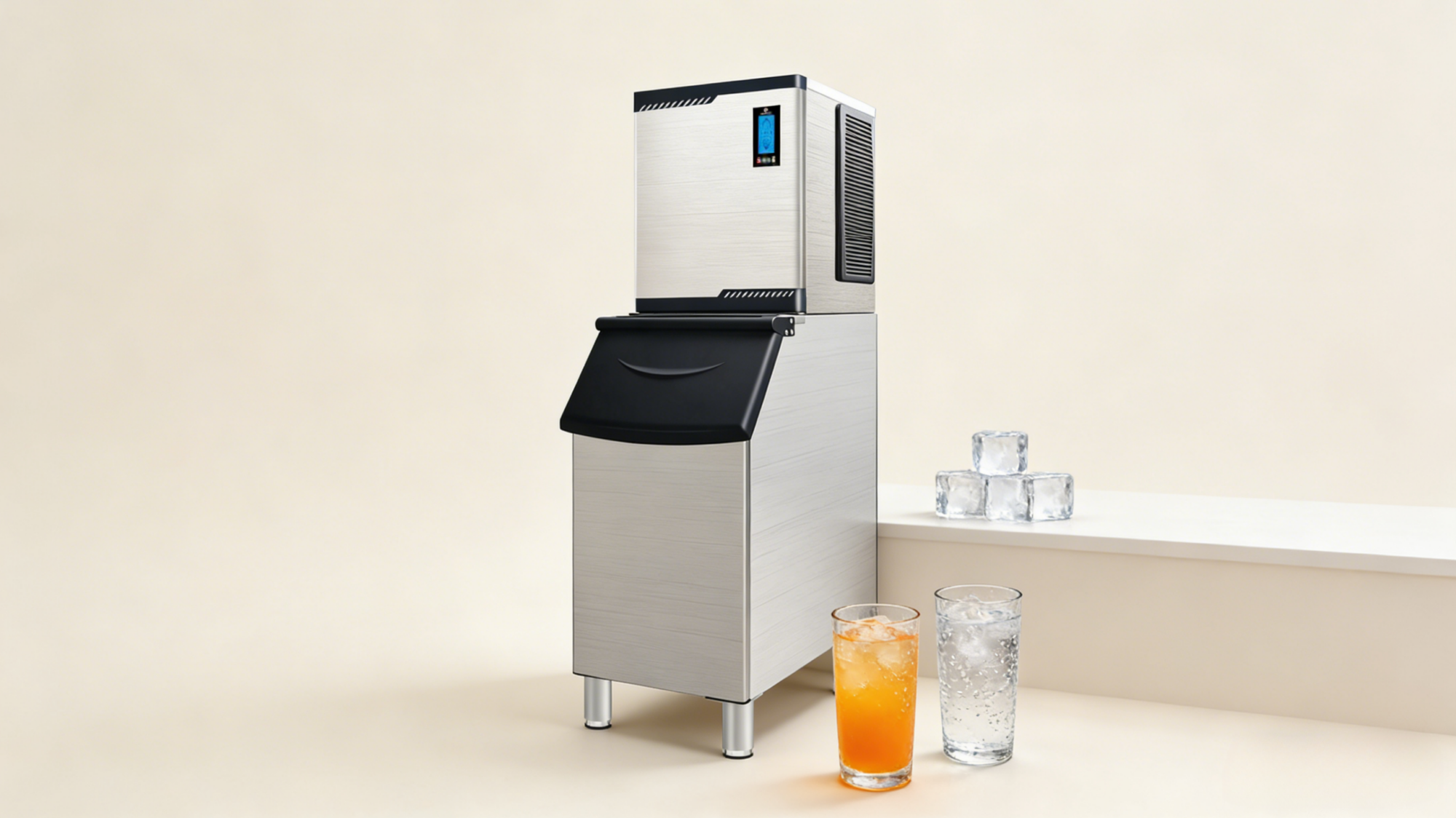
A broken ice maker cost an establishment an entire day’s business. A message restaurant owners have every year at peak season: “ ‘We’re not afraid of a lot of customers, we’re afraid of our equipment breaking down.’”
Last week, we had an appeal for assistance from a restaurant owner who served exclusively seafood cuisine. The gentleman literally sounded distressed over the phone.
“We were at our peak with lunch business today, but then our ice machine broke down. Broken glasses, cancellations, and complaints. We have costumer loss expenses of at least $2,000.”
01. Real-Life Example: Turning Off an Ice Machine Leads to Losing 50+ Customers
It was 32°C at noon, and almost all tables ordered an iced drink. It looked like it could be a successful lunch service because all tables were ordering. However, the kitchen staff discovered that the ice dispenser had broken down totally and there was only a thin layer of crushed ice remaining inside the ice bucket. The kitchen staff members freaked because ice could not be dispensed, all iced orders were on hold, orders were returned because they were taking orders out, and customers were leaving because service took too long. Within less than 3 hours, they had lost more than 50 customers. Looking at refunds alone, they would have missed more than $2,000.
“This particular machine had been barely functioning before, but it failed completely at just about the worst possible moment,” smiled the owner ironically. It’s not an isolated event, but more an indication of what the restaurant industry can expect at peak times.
02. The causes for failures are normally brought out before peak season.
As per our observation at the site, we realized that it was not an immediate problem but had “foreshadowed” because:
1. The buildup of excessive dust on the condenser → Large reduction in cooling performance. During pre-peak season, people are engaged in organizing goods and working hours, and they neglect simpler cleanliness. Large dust buildup leads to cooling performance deterioration beyond 30 percent.
2. Poor water filtration → Ice won’t form. When scale accumulates under the water system, it leads to an inconsistent difference in temperatures that result in an ice maker malfunction. You will see it working extra hard to produce ice but without any result.
3. Long-term full-load operation → Compressor fatigue. As it approaches peak season, it begins operating 8 hours a day and then progresses to 14 hours a day without respite. Many low-end models are not equipped to deal with this. 4. Poor Heat Dissipation inLow-Priced Equipment
From our observation, we realized that the old ice maker at this restaurant had low air flow. It was not a problem at that juncture but totally failed during peak periods.
It doesn’t just breakdown during peak times. It “reveals its true nature” during peak times.
03. The Three ‘Life Saving’ Steps You MUST Take Before Peak Season
A loss of $2000 per day, as seen in this case, can be avoided by restaurant owners adhering to the following three tips:
Do a thorough check before proceeding.
Clean the condenser, check the refrigerant level, and check the ice-making cycle.
It’s extremely budget–friendly compared with rushing at the end
It will be a big advantage compared with my competitors because I am
Determine if production capacity satisfies customer flow data for peak season
The peak season demand might end up being 30%-50% higher than your own projection.
Whether it is old or hasn’t been able to meet demands due to its capacity, it would be advisable to have it replaced with an efficient one.
Choose equipment with an efficient heating and removal system and capable of making ice continuously
So, it becomes an even more pressing concern, with less kitchen area and more ambient oil smells, regarding the heat dissipation system of equipment.
04. Whats so special about telling this story?
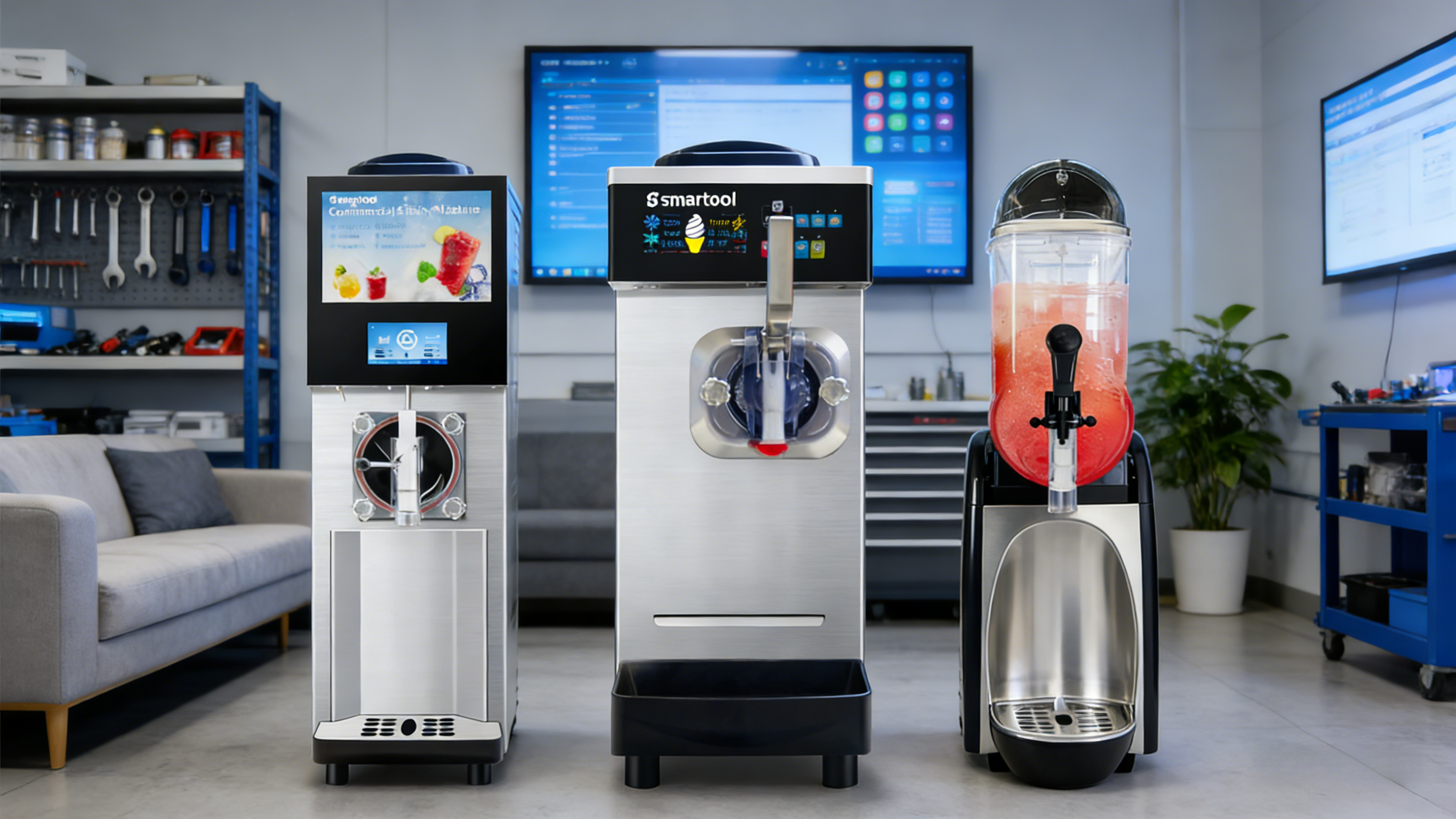
Smartool receives a large number of requests for urgent repair orders every year. We perfectly understand what a restaurant owner faces: there might be a shortage of personnel, there will be plenty of customers—and if there are any issues at any stage, it will influence earnings. That’s exactly why we have an important message for restaurant owners: making money during peak periods demands knowledge, but smooth operation demands equipment. And if you would like to have a ‘peak season check-up’ or a better cooling solution, we are here for you. Do not let your ‘peak season be dependent on just one piece of equipment anymore.