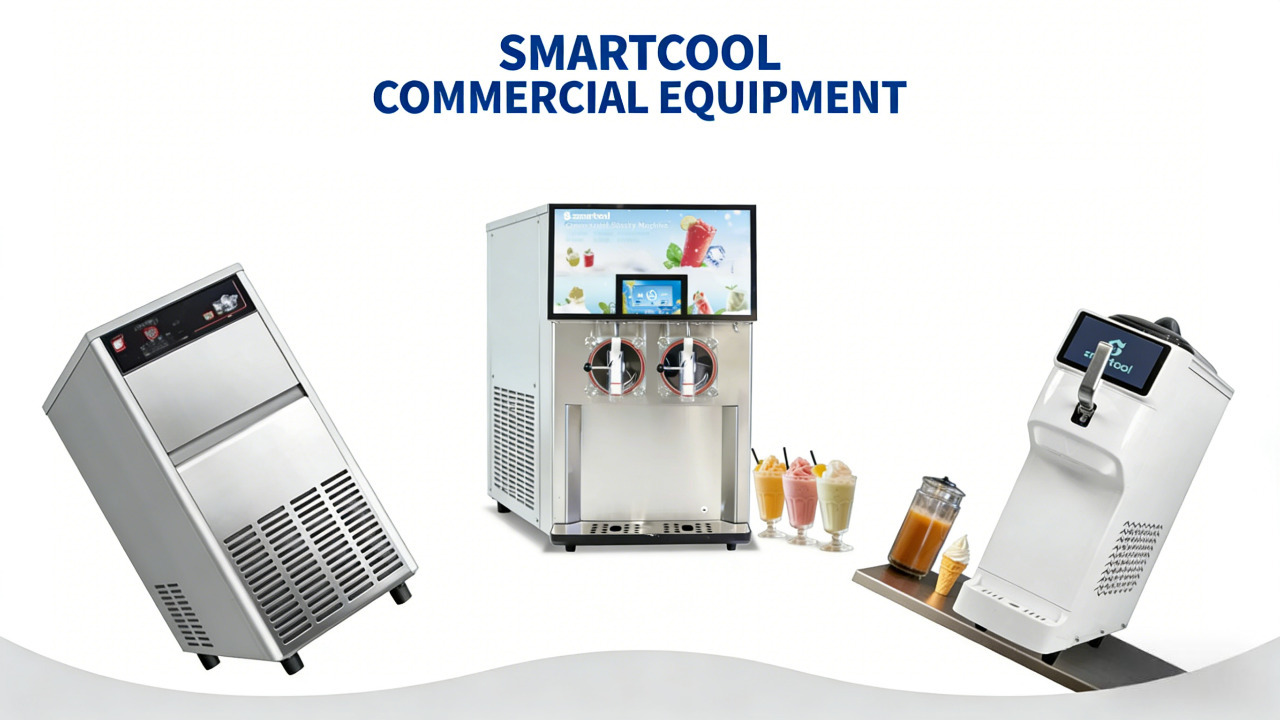
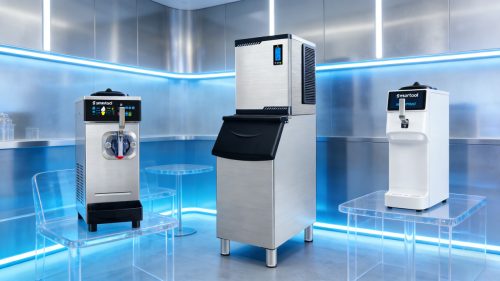
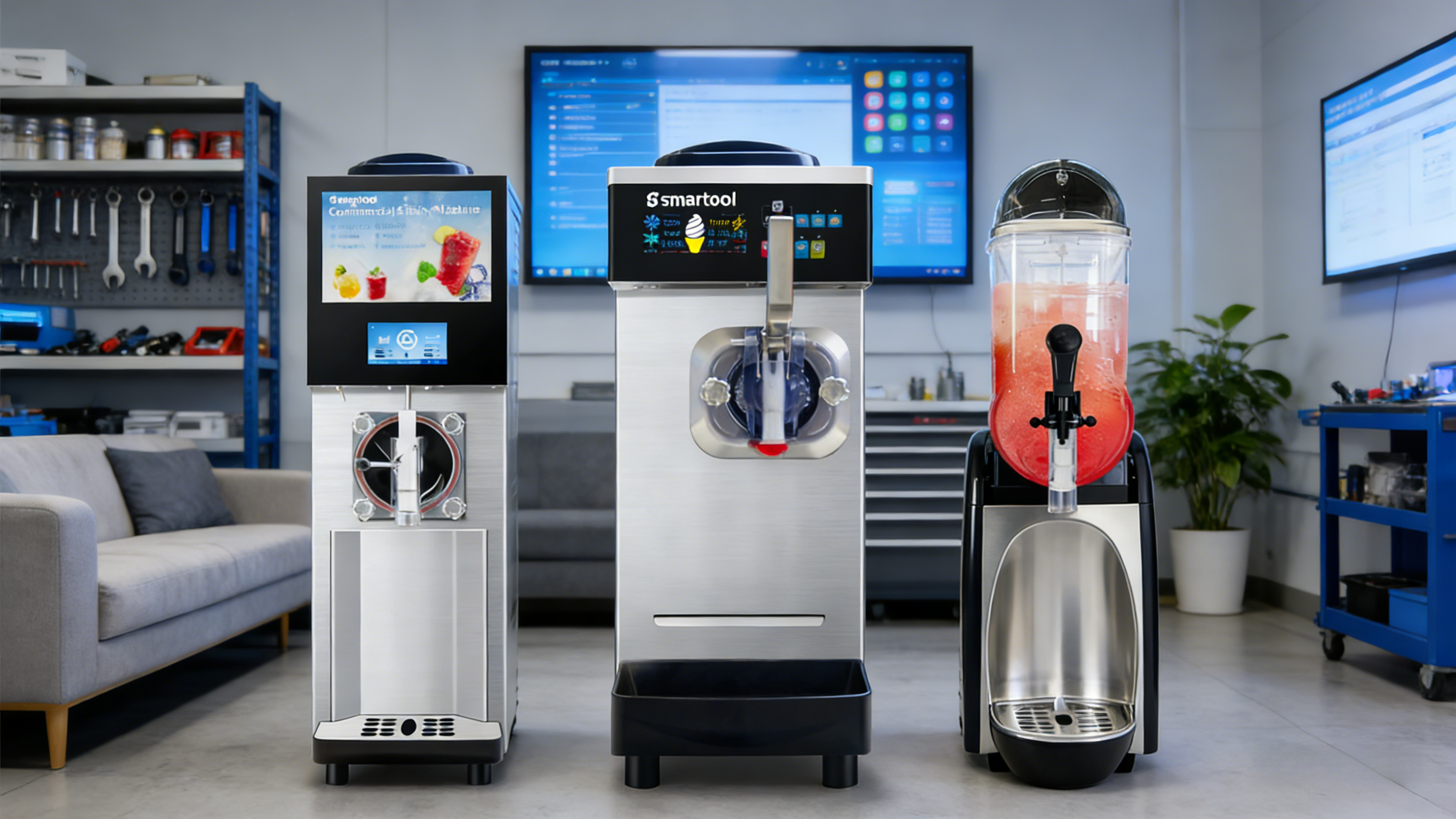
As a company with years of specialty in commercial refrigeration equipment, Smartool deeply understands that customers’ major concerns are not with the product availability but with how reliable, durable, and economical it will be after being purchased.
In projects of the year 2025, we encountered three different types of issues, which have a direct connection with purchase decisions.
Inflated Capacity: Where Many Consumers Find Themselves When Replacing Equipment
The problem which customers were complaining about is linked with a rather common problem which occurred when upgrading and replacing equipment: despite the specifications of the original equipment being sufficient, they were always insufficient in reality. The problem did not lie in selecting an under-sized model but in being overly optimistic with capacity. Some equipment specifications are based on theoretical volume rather than taking into consideration the internal design and space where the cooling system will occupy.
Smartool begins with product delivery, designing and delivering products that must have usable capacity and complete operational tests before being delivered. Particularly for a buyer in this case, when selecting a piece of equipment, it is important to inquire about the capacity these devices can really hold.
The fraud in energy efficiency will appear in the electricity bill.
Energy efficiency is a common marketing parameter for most refrigeration solutions, but actual differences will mostly appear in a long-term process. Perhaps, there will be some solutions with low energy consumption in testing mode, but in a high temperature environment and continuous operation, energy consumption will rather significantly increase.
Smartool solutions focus on long-term operating environments at a design level and check the energy consumption performance by way of energy efficiency certification. It is assumed that consumers do not have to rely solely on assessing the reliability of energy efficiency based on parameters but, most importantly, on whether any standards exist for conducting tests in support of this claim. Energy efficiency is not a promise but a cost control tool in the field of long-term operating environments.
One of the most overlooked risks of outsourcing after-sales service during the buying stage is the most common.
Once such equipment is put into operation, other than after-sales capability, which is very important, using third-party people for this purpose will put both speed of response and problem-solving abilities into question, especially during peak months when losses because of downtime of such equipment far outweigh repair charges.
The Smartool Company established an independent technical support and aftersales service in order to quickly solve local equipment issues. For buyers, selecting equipment not only involves product selection but also searching for a good, reliable source of supply.
Why Smartool? Why Dual Certification?
As a refrigeration equipment supplier, we have always strongly believed that achieving certifications is not a choice. Although product safety and energy efficiency certifications can quickly inform buyers that their long-term commercial requirements can be fulfilled by our products, factory and management system certifications can inform buyers of our consistent products.
Smartool adheres to individual standards of double certification, limits in-source differentiation among capacities, unusual energy consumption, and uncontrollable aftersales difficulties. For a B2B business, this will translate to reduced operational risk and manageable future expenses.
Conclusion
In 2025, the procurement of cooling devices will not only be valued on cost. The most important cost factors will be reliable performance, true energy savings, and taking responsibility when a fault arises. SmarTool focuses on being transparent in terms of initial selection of devices used, accuracy in information on parameters, and clarity in support offered to aid consumers in overcoming all possible risks in this procurement.